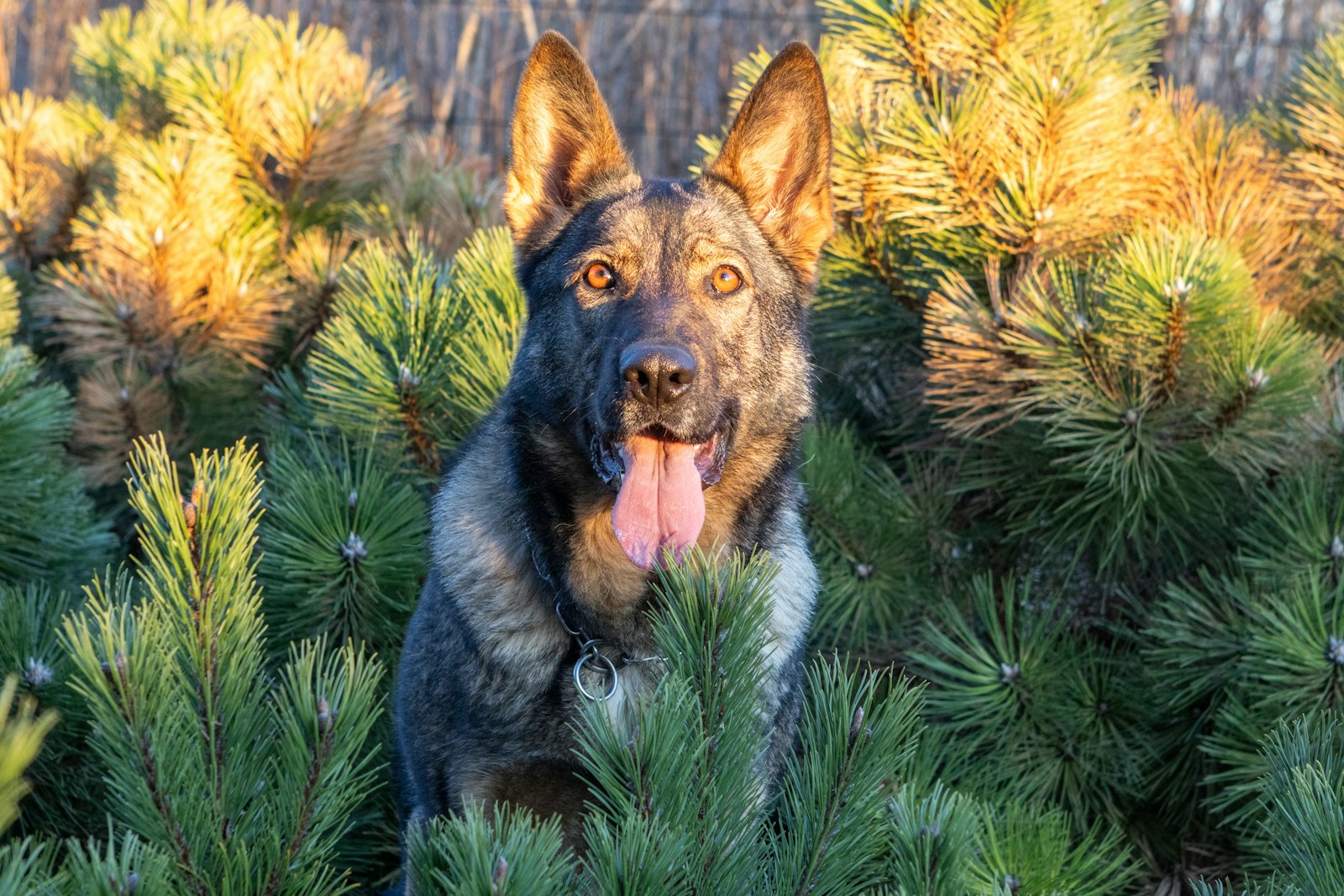
German Shepherds are smart, loyal, athletic dogs, but they are also a breed with some well-known orthopedic risks. Hip dysplasia is one of the biggest concerns, and it can affect comfort, movement, and long-term quality of life more than many owners realize.
That is one reason choosing the right vet clinic in Fremont matters. For a German Shepherd, veterinary care is not only about vaccines and the occasional sick visit. It is also about catching subtle mobility changes early, watching how the dog moves over time, and building a plan that supports comfort as the dog grows, stays active, and ages.
Many German Shepherds are stoic. They may keep walking, playing, or following their family around long after something starts to hurt. What looks like normal slowing down can sometimes be joint strain, hip instability, arthritis, or another developing orthopedic issue.
Why hip dysplasia is such a concern in German Shepherds
Hip dysplasia is not the only health problem seen in German Shepherds, but it is one of the most important when it comes to mobility. In simple terms, it happens when the hip joint does not fit together as smoothly as it should. Over time, that poor fit can lead to looseness, inflammation, pain, and arthritis.
Some dogs show signs while they are still young. Others do not look obviously uncomfortable until adulthood, when years of wear start to catch up with them. That delay is part of what makes hip dysplasia easy to miss. A dog can seem strong and energetic while still moving in ways that suggest the hips are under stress.
A Fremont vet clinic that is familiar with large-breed orthopedic concerns can help owners look beyond obvious limping. The better question is often whether a dog is moving normally, comfortably, and consistently from week to week and year to year.
Mobility warning signs owners should not ignore
Hip dysplasia and related mobility problems do not always start with a dramatic limp. In many dogs, the first signs are easy to dismiss.
A German Shepherd with hip discomfort may hesitate before jumping into the car, take longer to stand after resting, or seem stiff after exercise. Some dogs bunny hop when they run. Others slip more often on smooth floors, avoid stairs, or seem less eager to play than usual.
Posture can also tell you a lot. A dog that sits off to one side, shifts weight oddly while standing, or looks sore after a normal walk may need an exam. These changes can creep in so gradually that busy owners do not notice how much has changed until the pattern becomes clear.
In Fremont, where many dogs spend time on neighborhood walks or outings around parks and open spaces, a mild mobility issue can blend into daily routine for a while. A local vet clinic can help determine whether those changes are minor or worth a closer orthopedic workup.
Why breed-aware veterinary care helps
German Shepherds are not built like smaller dogs, and they do not age the same way. Their size, muscle mass, activity level, and breed-related joint risks all shape what good preventive care looks like.
A breed-aware veterinary team is more likely to ask useful questions such as:
- Is your dog slower to rise, jump, or climb?
- Have you noticed stiffness after rest?
- Has your dog\u2019s gait changed, even a little?
- Are slips on hard flooring happening more often?
- Does your dog seem sore or tired after exercise?
Those questions matter because orthopedic problems are usually easier to manage when they are caught early. The goal is not always to fully correct the issue. In many cases, the goal is to reduce pain, slow progression, improve function, and help the dog stay active safely for as long as possible.
Weight and muscle condition matter more than many owners think
One of the biggest factors in mobility care is body weight. Extra weight puts more stress on the hips and other joints. In a large breed like the German Shepherd, even a small amount of excess weight can make discomfort worse and add strain over time.
That does not mean every dog needs a strict diet. It means weight should be monitored honestly and discussed clearly. A good vet clinic should help owners assess body condition, adjust food if needed, and choose exercise that fits the dog\u2019s age and physical condition.
Muscle condition matters too. Dogs with strong supportive muscle often handle joint stress better than dogs that are deconditioned or overweight. At the same time, exercise has to be appropriate. Too much high-impact activity can make a painful dog worse. Too little activity can leave the dog weaker and less stable. Veterinary guidance helps owners find the right balance.
Daily home management can make a real difference
For many German Shepherds, mobility care is not centered on one major decision. It is shaped by daily habits at home.
That may include improving traction on slippery floors, using a ramp for car access, providing softer bedding, adjusting walks, discussing joint support options, or using medication when appropriate. Some dogs do better with shorter, steadier exercise instead of intense bursts of activity. Others may benefit from rehab or strengthening work.
Owners sometimes wait too long to seek help because their dog is still eating, still wagging, and still trying to stay involved. But dogs can remain bright and engaged while living with significant discomfort. German Shepherds, in particular, can hide pain better than people expect.
This is where an ongoing relationship with a Fremont vet clinic becomes especially useful. When the veterinary team knows your dog over time, it is easier to spot meaningful changes and adjust the care plan as needed.
When imaging and follow-up become important
If a German Shepherd starts showing lasting mobility changes, a physical exam may lead to recommendations for X-rays or other imaging. That step can be important when the problem is persistent, getting worse, or affecting normal daily activity.
Imaging helps clarify what is actually going on. Hip dysplasia is one possibility, but stiffness or limping can also be linked to arthritis, ligament injuries, spinal problems, paw pain, or other orthopedic conditions. Guessing at home is not enough when a large dog is clearly moving differently.
Follow-up also matters. Joint problems are rarely one-time issues. A dog may need a plan that changes with age, activity level, response to medication, and the progression of arthritis or other mobility concerns. The most helpful clinics treat this as an ongoing conversation, not a single visit.
Younger German Shepherds need attention too
It is a mistake to think orthopedic concerns only matter in older dogs. German Shepherd puppies and young adults also deserve careful monitoring, especially during growth.
Awkward movement, reluctance to exercise, unusual sitting posture, gait changes, or repeated soreness in a young dog should not be brushed off too quickly as simple clumsiness. Large-breed development is not always smooth, and early evaluation can help owners make better decisions about exercise, footing, body condition, and long-term joint support.
Not every goofy-moving young dog has a serious orthopedic disease. Still, when the breed is already known for hip and mobility issues, it makes sense to take those signs seriously.
Choosing a Fremont vet clinic with the long view in mind
The best vet clinic for a German Shepherd owner is not always just the closest one. It is the one that listens carefully, takes mobility concerns seriously, and helps you make decisions before a rough day turns into a larger problem.
That may mean creating a baseline while your dog is still young and active. It may mean checking in about stiffness that seems minor but keeps returning. It may mean talking through pain control, rehab options, or quality-of-life support for an older dog that still wants to stay involved with family life.
In Fremont, where many dogs stay active year-round, it is easy to expect a capable breed like the German Shepherd to keep pushing through discomfort. But pushing through is not the same as feeling well.
Breed-aware veterinary care helps owners catch problems sooner, manage them more effectively, and give their dogs a better chance of staying mobile, comfortable, and engaged for years to come.